
Faithful Capacity: Living Within the Limits God Has Given
A Capacity for Christlikeness
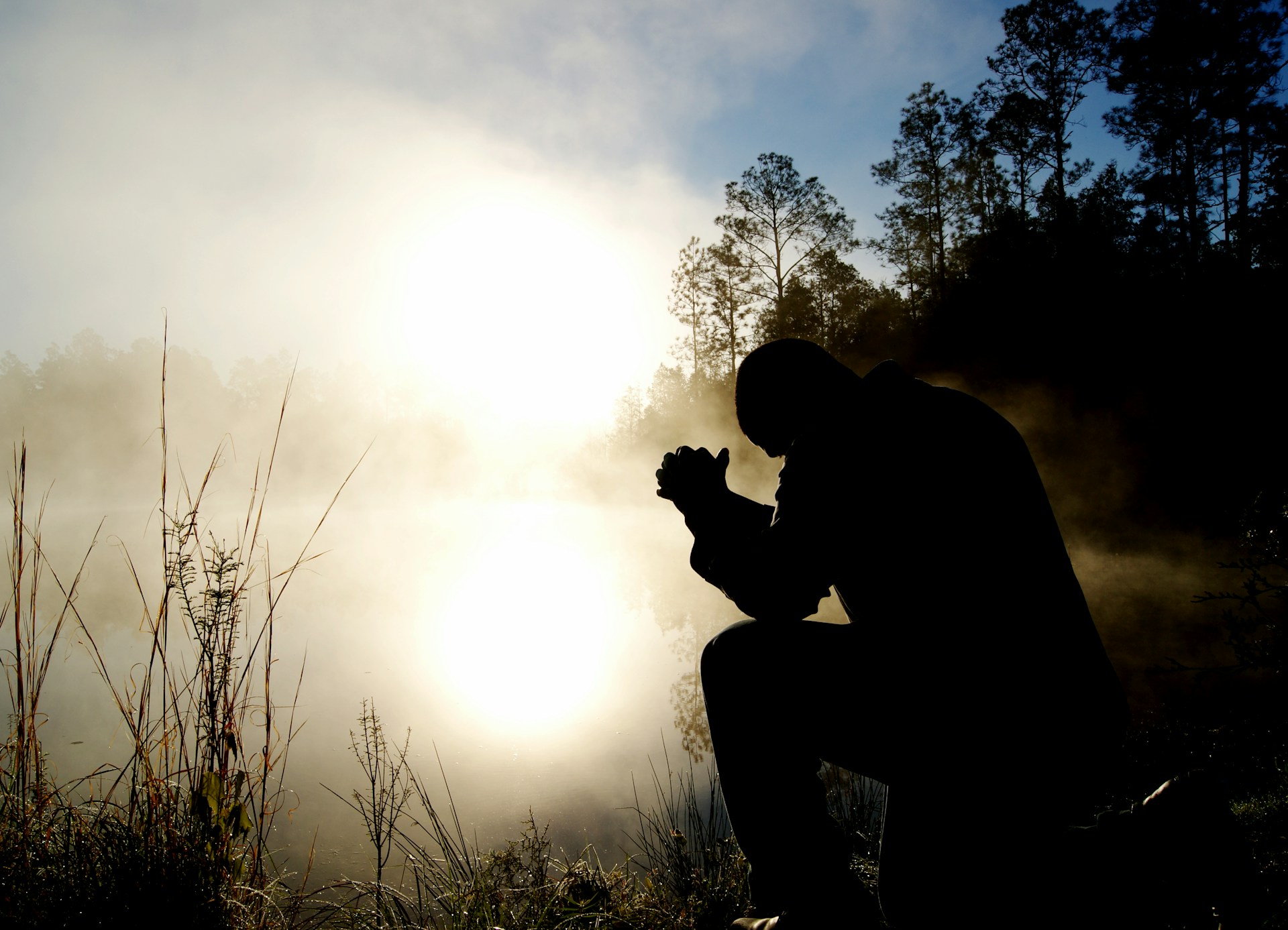
“And we all, with unveiled face, beholding the glory of the Lord, are being transformed into the same image from one degree of glory to another.” – 2 Corinthians 3:18, ESV
My desire is to live in a way that reflects Christ, but my actions do not always resemble Jesus.
I remember a time when an individual I knew was seated at a table at an event I was attending. I smiled at him and spoke civilly. The other guests had no reason to think anything was wrong.
Although my outward appearance was professional and polite, if others could have seen my internal struggle, it would not have been pleasant to witness. This person had slandered and treated me unfairly. Attempts to reconcile had failed. I was angry.
“Love your enemies” wasn’t a message I wanted to hear at that dinner table, let alone embrace. I couldn’t wait for the meal to end so I could leave as quickly as possible without damaging my professional image.
My desire wasn’t insufficient; my capacity to love my enemy was.
I think most of us want to become more like Christ.
But all it takes is for a difficult person to enter the room, someone to test our patience, or an individual who responds to our kindness with criticism, and we recognize our capacity is insufficient.
We want to love them but discover that our capacity for patience, grace, and forgiveness is not as great as we imagined.
Difficult circumstances reveal something similar.
We may believe that we trust God – until life takes an unexpected turn.
A prolonged illness, a strained relationship, an uncertain future, or a prayer that remains unanswered can expose the limits of our peace, endurance, and faith.
In moments like these, we may ask God to change the person or remove the difficulty.
Sometimes He does. But sometimes, while we are waiting for something around us to change, God is doing something within us.
He is enlarging our capacity – not merely to endure more, love more, or forgive more, but to become more like Christ.
That is a very different understanding of capacity.
Our culture often encourages us to increase our capacity so we can accomplish more, carry more, and become more productive.
But the Spirit of God is at work enlarging the capacity of our hearts: our capacity to love, forgive, remain faithful, extend grace, and trust God when life does not unfold as we hoped.
Transformation, Not Mere Restraint
At that dinner table, I succeeded in restraining my anger. I remained civil, protected my professional image, and avoided saying anything I might later regret.
That restraint mattered. But outward composure is not the same as inward transformation.
The apostle Paul’s words describe something deeper:
We “…are being transformed into the same image [of Christ] from one degree of glory to another” (2 Corinthians 3:18, ESV).
Christlikeness is not merely learning to conceal the reactions within us that do not resemble Jesus. It is the Holy Spirit gradually transforming what is happening in our hearts.
We may begin by holding back an angry response, an unkind word, or a desire to get even. But over time, God desires to form within us the capacity to respond with grace.
We may begin by choosing not to retaliate. But God desires to lead us toward forgiveness.
We may begin by remaining faithful while questions and disappointments trouble us. But through those experiences, God can deepen our capacity to trust Him.
This does not mean that we ignore wrongdoing, refuse appropriate boundaries, or remain in situations where harm continues. Loving someone does not require us to deny the truth about what has happened.
Christlike love allows us to face that truth without letting anger, bitterness, or another person’s actions determine who we are becoming.
From One Degree to Another
I’m thankful that Paul’s words also remind us that transformation takes place over time.
We are being transformed “from one degree of glory to another.” The process is gradual and ongoing, even when it does not appear steady to us.
Most of us would prefer for God to change us immediately. My desire is to respond with patience every time, forgive without struggle, and trust without hesitation. When old reactions surface, I may conclude that I have made little progress.
But spiritual transformation is rarely instantaneous.
The Spirit works as we repeatedly turn toward Christ.
Each time we surrender our anger, ask for grace, refuse retaliation, or remain faithful in uncertainty, He is forming something within us.
We may not always recognize that work while it is happening.
Growth may appear first as a moment of restraint where anger once ruled.
Later, it may become a willingness to pray for the person who wounded us.
Eventually, we may discover that the injury no longer occupies the same place within our hearts.
The circumstances may not have changed.
The other person may not have changed.
But, by the grace of God, we are changing.
This transformation is not something we accomplish through determination alone. Paul says we “are being transformed.” The Spirit is the One doing this transforming work within us.
Our part is not to manufacture Christlikeness through greater effort. It is to remain open and responsive to the Spirit – to behold Christ, surrender what He reveals, and trust Him to form His character within us.
The Capacity God Enlarges
The first reflection in this series invited us to recognize when life’s demands exceed our capacity. The second reminded us that God works within our limitations and that His grace remains sufficient.
Now we encounter another truth: although God does not ask us to become unlimited, He does enlarge us.
He enlarges our capacity to love when love is costly.
He deepens our patience when circumstances do not change quickly.
He strengthens our faithfulness when we cannot see what He is doing.
He teaches us to forgive without pretending we were not wounded.
He forms within us a greater capacity to respond to life as Christ would.
This is not growth for the sake of carrying an ever-increasing number of responsibilities. It is the gracious work of God making us more like His Son.
The difficult people and circumstances we encounter are not always sent by God to teach us a lesson. But none of them need to be wasted. The Spirit can meet us within those experiences and use them to reveal where transformation is still needed.
The moments that expose our limitations can become invitations to depend more fully upon Him.
Reflection
This week, consider:
Where is the difference between my outward behavior and my inward response most apparent?
What difficult person or circumstance is revealing the limits of my present capacity to love, forgive, endure, or trust?
How might the Spirit be inviting me to become more like Christ within this situation?
Walking Forward Together
God does not enlarge our capacity merely so that we can accomplish more. He enlarges our hearts so that we can increasingly reflect the character of Christ.
Transformation is a lifelong process. It involves struggle, ongoing surrender, and repeated dependence upon God’s grace. But the tension between who we are and who we desire to become does not mean God has abandoned His work within us.
We are being transformed – from one degree of glory to another.
My dinner experience happened years ago. While I’m still being transformed, thank God, I’m not what I used to be.
Next week, we will consider how faithful capacity requires discernment: learning not only what we are able to do, but what God has actually entrusted to us.
Are you seeking a source of hope and spiritual refreshment in these challenging times? Subscribe to my mailing list for weekly doses of encouragement! Each week you'll receive my latest blog posts with practical wisdom to support you in your faith and life. At RPM, we respect your privacy and will never share your information with third parties.